What Is Pre-Myopia? How to Spot Risk Before Your Child Becomes Nearsighted
Dr. Tina Goodhew
May 26, 2026
Most parents only think about their child’s vision once glasses are needed, but by then, nearsightedness has already taken hold. There’s a quieter, earlier stage called pre-myopia, and recognizing it gives families a real window to slow, or even delay, myopia’s onset.
Pre-Myopia Explained: The Window Before Nearsightedness Begins
Myopia (nearsightedness) doesn’t appear overnight. Long before a child squints at the whiteboard or asks to move closer to the TV, their eyes are already changing in subtle, measurable ways. Pre-myopia is the term Optometrists use for that in-between stage, when a child’s vision is still technically “normal” on a standard eye chart, but a careful exam reveals they’re heading towards myopia.
Researchers worldwide now treat delaying myopia onset as a clinical priority. Studies show that even a one-year delay can meaningfully reduce how nearsighted a child eventually becomes, which in turn lowers their lifelong risk of more serious eye conditions tied to high myopia. The window to act is narrow, but it’s real and it opens long before their first set of glasses.
Pre-Myopia
Vision still tests as “normal” on the eye chart, but the eye’s natural buffer against nearsightedness is shrinking. This is the window for proactive care.
Myopia
The eye has lengthened enough that distance vision is blurry. Glasses or contact lenses are needed, and the focus shifts to slowing further progression.
Hyperopic Reserve: The Number Your Child’s Optometrist Is Watching
Children are born slightly farsighted, and that small amount of farsightedness is called the hyperopic reserve which acts like a safety cushion against developing myopia. As a child grows, the eye gradually elongates and that reserve slowly shrinks. The trouble is, when the reserve shrinks too quickly, or runs out earlier than it should, myopia is usually right around the corner.
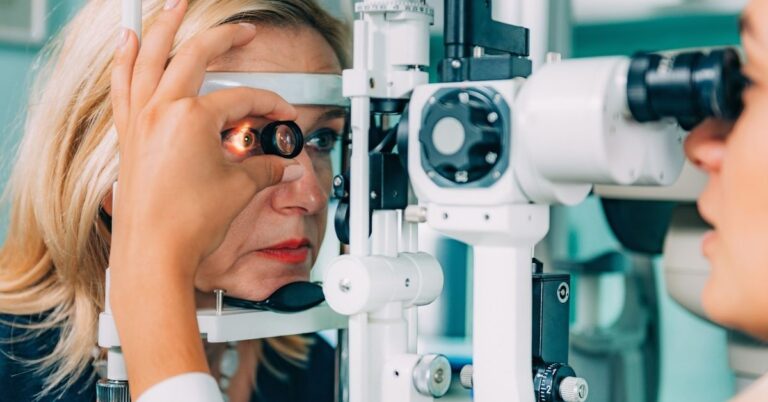
At Abbey Eye Care, when we examine your child we measure where their reserve sits compared to what’s typical for their age. A six-year-old with very little farsightedness left, for example, is showing us a clear pre-myopia signal even if their distance vision still looks perfect. That’s the kind of insight a quick vision screening simply can’t provide.
“A child can pass a school vision screening with flying colours and still be in the pre-myopia stage. Only a comprehensive eye exam can pick up what’s happening underneath.”
Pre-myopia rarely shows up out of nowhere. Several well-studied factors raise a child’s likelihood of becoming nearsighted. The more they stack up, the more closely we’ll want to monitor them.
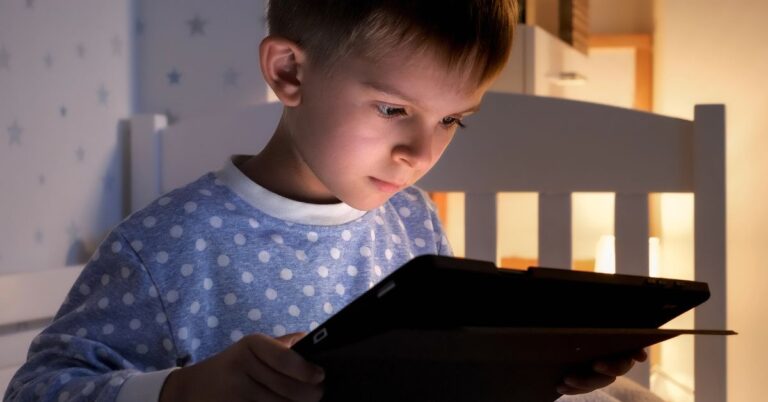
The two biggest predictors are family history (a child with one nearsighted parent has roughly double the risk; with two, the risk roughly triples) and age of first signs, the younger a child shows reduced hyperopic reserve, the faster myopia tends to progress. Lifestyle plays a major role too: extended close-up screen time, very limited time spent outdoors, and a heavy reading or homework load all tip the scales towards becoming myopic.
What Parents Can Do During the Pre-Myopia Window
Pre-myopia isn’t a diagnosis to dread. It’s a heads-up and there’s quite a lot you can do at home to stretch that window:
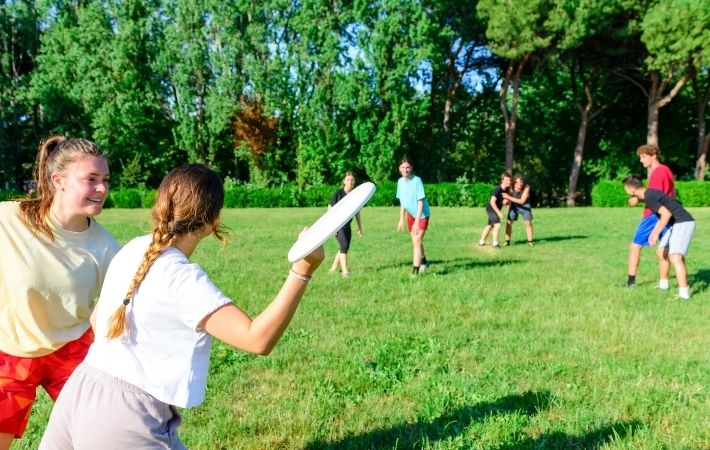
- Aim for 90 – 120 minutes of outdoor time each day. Natural daylight is one of the most consistently protective factors in the research in helping prevent myopia, regardless of the activity.
- Practice the 20-20-20 rule for screens and reading. Every 20 minutes of close work, look at something at least 20 feet away for 20 seconds.
- Keep reading and screen distance generous. Books, tablets, and phones held closer than a child’s elbow-to-knuckle length put the eyes under more strain than they need.
- Make sure homework spaces are well-lit. Dim lighting forces the eyes to work harder up close, which over time contributes to myopic changes.
- Book a comprehensive eye exam every year. In Ontario, annual eye exams for children under 20 are covered by OHIP, a school screening doesn’t replace this.
If a child is already showing pre-myopia signs, your Optometrist can also discuss myopia management a developing field of evidence-based treatments (which can include atropine eye drop and or myopia control glasses) the goal of which would be to delay the onset of myopia by 1-2 years which can make a big impact on the future eye health of your child.
At what age should my child have their first eye exam?
The Canadian Association of Optometrists recommends a first comprehensive eye exam between 6 and 9 months of age, another between ages 2-3 and yearly exams once school begins. Pre-myopia signs can appear surprisingly early, especially in families with a history of nearsightedness.
If my child’s vision is 20/20, do they really need an annual exam?
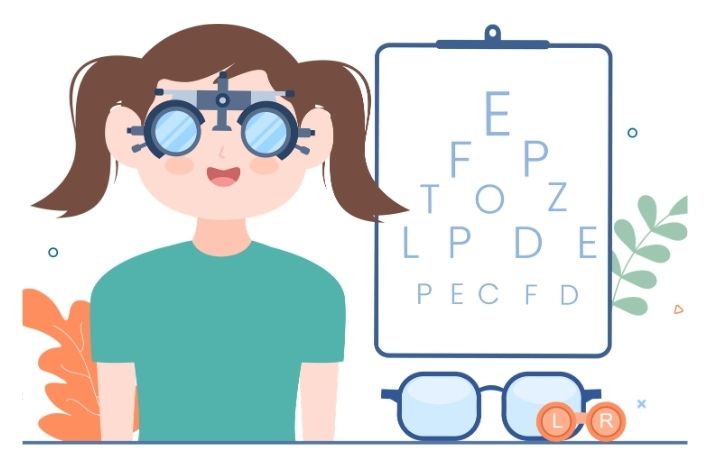
Yes. The 20/20 line on the chart only tells us how clearly your child sees a specific letter at a specific distance. It doesn’t measure hyperopic reserve, eye growth rate, focusing ability, or eye coordination, all of which are critical clues to whether myopia is on the horizon.
Can pre-myopia be reversed?
Once the eye begins lengthening, we can’t undo that growth, however, we absolutely can slow it down. The earlier we identify pre-myopia and intervene with lifestyle changes (or, when appropriate, myopia management treatment), the more we can influence the final outcome.
Will more outdoor time really make a difference?
It really does. Research from around the world show that children who spend more time outdoors in daylight develop myopia less often. It remains one of the simplest, no-cost things parents can do.
If your child hasn’t had a comprehensive eye exam in the last year, or if myopia runs in your family, we’d love to see them. Pediatric eye care and myopia management are a big part of what we do at Abbey Eye Care, and our team knows exactly what to look for at every stage of development.
BOOK YOUR CHILD’S EYE EXAM
Wondering whether your child’s vision has changed, or whether they might benefit from a myopia management plan? Our team at Abbey Eye Care in Oakville stays at the forefront of pediatric eye care and myopia management, and we’d love to help your family see the bigger picture. Book an eye exam today and let’s make sure their eyes are growing in the right direction.
OUR MYOPIA CLINIC
Worried about your child’s prescription climbing year after year? Our dedicated Myopia Clinic
offers proven management options which include: Spectacle lenses, Ortho-K, specialty soft contact lenses, and atropine therapy, all designed to slow myopia progression and protect the long-term eye health of you child.