How Often Should You Get an Eye Exam?
Dr. Jeff Goodhew
June 26, 2026
Most of us only think about an eye exam when something starts to look blurry. But many of the conditions that affect your sight often times develop quietly, with no warning signs at all. Booking eye exams on a regular schedule is the simplest way to stay ahead of them.
Your eyes reveal more than your prescription
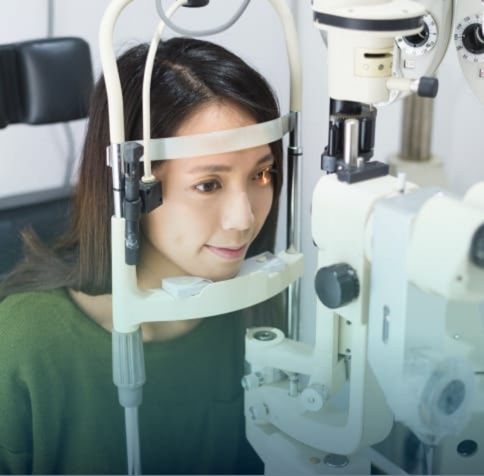
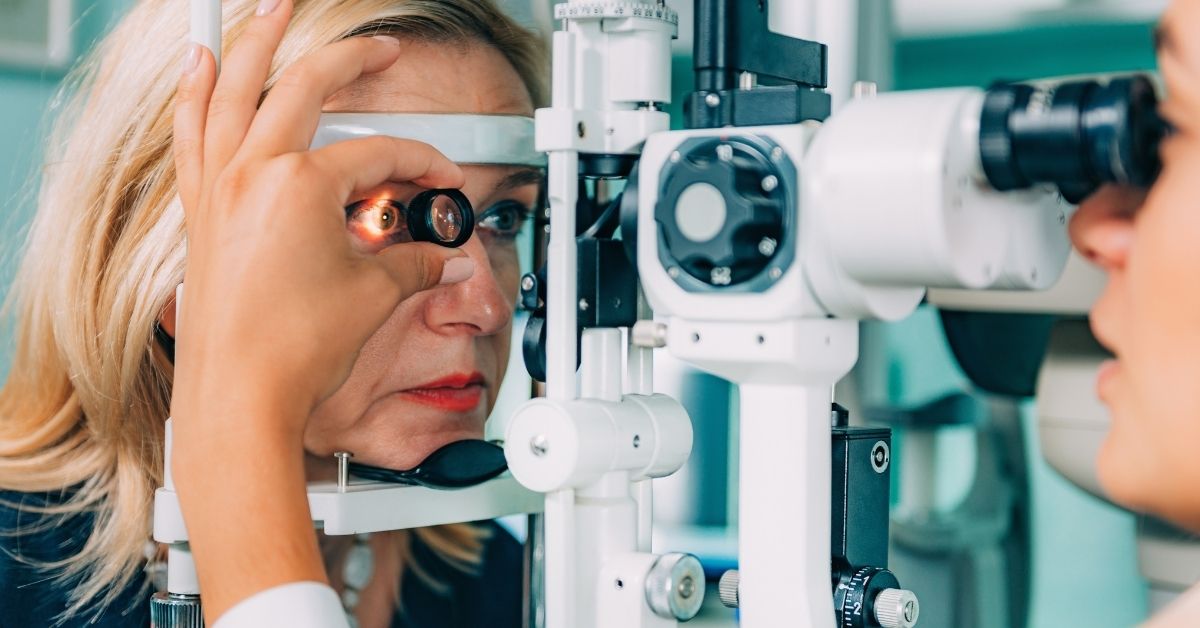
A comprehensive eye exam looks at far more than how well you read the eye chart. The eye is the one place a doctor can see your blood vessels and nerves directly, which means an exam can pick up early signs of diabetes, high blood pressure, and other health concerns before you feel a thing.
It also screens for sight-threatening conditions like glaucoma, cataracts, and macular degeneration. These tend to progress slowly and without pain, so by the time you notice a change, some damage may already be done. Regular visits let us track your eyes over time and step in when treatment is the most effective.
A window to your health
Your eye exam can show the first hints of diabetes, high blood pressure, and more, often before any other test you may have with your GP.
Quiet conditions, caught early
Glaucoma, macular degeneration and cataracts rarely announce themselves. Routine eye exams find them while they’re still treatable.
OHIP Covers Many Patients
Children, seniors, and adults with certain health conditions have their most of theif visit covered. We explain the details below.
How often should you book an eye exam?
It depends on your age, your health, and your eye history. As a general guide for Oakville families:
- Babies and toddlers: a first exam around 6 to 12 months, then again before starting school around age 4.
- Children and teens (6 to 19): every year. Vision changes fast during the school years, and small problems can quietly hold a child back in class.
- Adults (20 to 64): every one to two years, or yearly if you wear contact lenses, have a specific eye disease or health condition.
- Seniors (65 and older): every 12-18 months, when the risk of age-related conditions starts to climb. OHIP coverage varies from senior to senior so please review the table below.
“The best time for an eye exam is usually before you notice anything is wrong.”
If you’re not sure where you land, just ask. We’re happy to recommend a schedule that fits you and your family.

When to come in sooner
Some things shouldn’t wait for your next scheduled eye exam. Book sooner, or call us right away, if you notice:
- Sudden blurring or loss of vision in one eye or both eyes
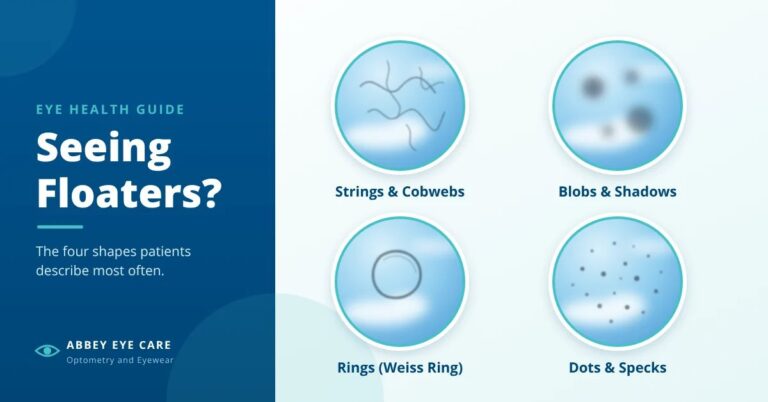
- New floaters, flashes of light, or a shadow across your sight
- Eye pain, persistent redness, or light sensitivity
- Frequent headaches or eye strain
A sudden burst of flashes or floaters can signal a retinal problem and needs urgent attention. And if you live with diabetes, high blood pressure, or a family history of glaucoma or macular degeneration, you’ll likely need to come in more often than the general guide above. We’d be happy to provide advice on the proper frequency for your eye exams.
OHIP Coverage for Ontarians
One of the most common questions we hear in our practice is whether an exam is covered. In Ontario, OHIP pays for a comprehensive eye exam for children and teens 19 and under, for seniors 65 and older, and for adults 20 to 64 who have a health condition that affects the eyes, such as diabetes or glaucoma.
The table below outlines what OHIP covers and what is does not. If you have any questions please don’t hesitate to reach out to one of our team members for help and guidance.
Whatever your coverage looks like, we recommend ultra-wide field digital imaging at every visit, for every patient. This is a high resolution, wide-angle photograph of the retina at the back of your eye. It lets us detect certain conditions earlier than we otherwise would and it allows us to compare your images from year to year. These images collected over time allow us to catch subtle changes long before they affect your sight. Think of it as a baseline we build on at each visit, no matter your age. We’ll always explain what OHIP covers and what we recommend before you come in so there are no surprises.
Age | Coverage Ultrawidefield Imaging Extra | Qualifier |
|---|---|---|
0 – 19 | Once per year | None |
20- 64 | Once per year with a qualifying condition | Diabetes (excluding diet controlled or pre-diabetes) |
Glaucoma requiring treatment | ||
Cataracts upon referral for surgery | ||
Retinal disease that is acute or progressing | ||
Corneal disease that is acute or progressinve | ||
Uveitis during active inflamamtion | ||
Cranial nerve palsy resulting in acute strabismus | ||
Medications: hydroxychloroquine, chloroquine, ethambutol, tamoxifen | ||
65+ | Once per year | With a qaulifiying condition listed above |
65+ | Once per 18 months | With none of the qualifiying conditions listed above |
FAQ’s
How long does a comprehensive eye exam take?
Usually about 30 to 45 minutes, depending on the tests you need and whether we dilate your eyes. New patients and anyone with specific concerns may want to allow a little extra time.
Do I still need an exam if my vision seems fine?
Yes. Conditions like glaucoma and macular degeneration can do permanent damage before you notice any change in your vision. A regular exam is how we catch them while they’re still very treatable.
Can an eye exam really detect other health problems?
It can. The blood vessels and nerves in your eyes tell us a lot about your overall health, and an exam can reveal early signs of diabetes, high blood pressure, high cholesterol, and more. When we spot something, work with your family doctor on further testing.
Will my eyes be dilated?
Sometimes. Dilating drops widen your pupils so we can see the retina and optic nerve more clearly. They blur your near vision and increase light sensitivity for a few hours, so it helps to bring sunglasses and, if you can, a ride home.